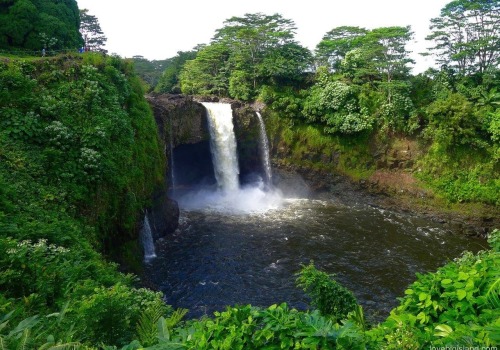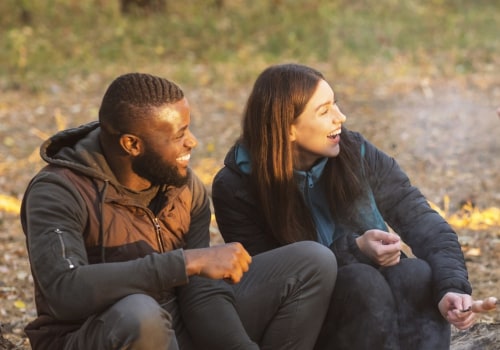
Outdoor excursion tours—such as hiking trips, kayaking adventures, cycling routes, and eco-tours—have become powerful ways for people to explore nature while connecting with the places they visit. These experiences are rarely the result of a single operator working alone. Instead, successful outdoor excursions are built on collaboration between tour organizers, local governments, small businesses, nonprofits, and residents. This network of cooperation ensures that tours are safe, engaging, and beneficial not only to participants but also to the communities that host them.
Local Knowledge Enhances Authenticity
Community collaboration adds authenticity to outdoor excursion tours by incorporating local knowledge and cultural context. Guides often rely on insights from residents, conservation groups, and historians to shape routes and narratives that reflect the area’s unique character. This shared expertise allows tours to go beyond surface-level sightseeing, offering participants a deeper understanding of local ecosystems, traditions, and history. When communities contribute their perspectives, excursions feel more meaningful and respectful rather than transactional.
Economic Benefits Through Partnership
Outdoor excursion tours can generate significant economic activity, especially in smaller towns or nature-rich regions. Collaboration with local businesses—such as outfitters, restaurants, transportation providers, and lodging operators—helps ensure that tourism revenue stays within the community. Tour operators often source equipment locally, recommend nearby dining options, and coordinate schedules with accommodations. These partnerships create a ripple effect that supports jobs and strengthens the local economy while enhancing the overall visitor experience.
Conservation and Responsible Access
Community collaboration is also essential for protecting natural environments. Many outdoor excursion tours operate in sensitive ecosystems that require careful management. Partnerships with land managers, conservation organizations, and local authorities help establish guidelines for responsible access, group sizes, and seasonal use. These collaborations balance tourism with preservation, ensuring that natural areas remain healthy and accessible for future generations. When communities are involved in decision-making, tours are more likely to align with long-term environmental goals.
Logistics and Event Infrastructure
Behind the scenes, outdoor excursion tours depend on coordinated logistics that often involve community resources. Trail access, parking, permits, safety services, and temporary facilities all require cooperation. For larger excursions or multi-day events, infrastructure support becomes even more important. Community-based solutions—such as staging areas, registration points, or rest spaces—help tours run smoothly. Services like event tent rental in Stamford, CT illustrate how specialized local support can provide practical solutions that enhance comfort and organization without permanent impact on public spaces.
Building Trust and Social Capital
Collaboration between tour operators and communities builds trust over time. When residents see that excursions respect local values, minimize disruption, and contribute positively, support grows. This trust makes it easier to introduce new routes, expand offerings, or host special events. Social capital—the goodwill created through collaboration—becomes a valuable asset that benefits both tourism operators and communities. It also encourages residents to participate as guides, volunteers, or ambassadors, further strengthening connections.
Education and Skill Development
Outdoor excursion tours often double as educational platforms. Through partnerships with schools, nonprofits, and outdoor organizations, tours can incorporate environmental education, safety training, and skill development. Local youth programs may collaborate on internships or training opportunities, building pathways into recreation, conservation, or hospitality careers. These shared initiatives extend the value of excursions beyond recreation, contributing to long-term community development.
Adapting to Community Needs
Strong collaboration allows outdoor excursion tours to adapt as community needs evolve. Changes in infrastructure, environmental conditions, or local priorities can be addressed more effectively when communication channels are already established. Collaborative planning enables flexibility, whether that means rerouting tours during sensitive seasons or adjusting schedules to accommodate community events. This adaptability supports sustainable growth rather than unchecked expansion.
Shared Success Through Collaboration
The connection between outdoor excursion tours and community collaboration is rooted in shared success. When communities and tour operators work together, excursions become safer, richer, and more sustainable. Participants gain authentic experiences, communities benefit economically and socially, and natural spaces are respected and preserved. This collaborative approach transforms outdoor excursions from isolated activities into collective efforts that strengthen connections between people, place, and purpose.