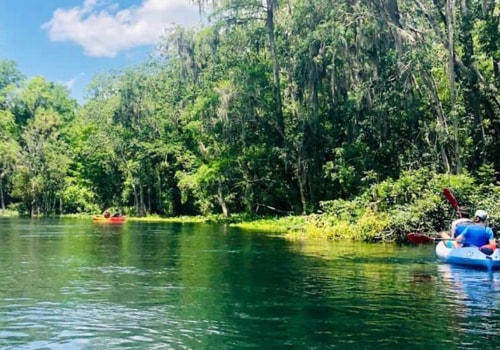
Outdoor excursion tours have become a popular way for travelers to experience destinations beyond traditional sightseeing. Whether involving hiking, cycling, kayaking, nature walks, mountain adventures, or guided countryside explorations, these activities encourage visitors to immerse themselves in local landscapes and communities. While travelers may initially focus on outdoor experiences, these tours often have an unexpected effect on dining habits. Instead of concentrating their meals around highly publicized restaurant districts and tourist-heavy areas, many excursion participants discover lesser-known dining establishments scattered throughout the regions they explore. As a result, outdoor tours frequently serve as a bridge between tourism and local culinary discovery, leading travelers beyond the restaurants most commonly featured in guidebooks.
Outdoor Routes Introduce Travelers to Hidden Communities
One reason outdoor excursions encourage culinary exploration is that they naturally take participants away from central tourist zones. Hiking trails, cycling routes, scenic viewpoints, and rural attractions often pass through neighborhoods, villages, and smaller communities that many visitors would never encounter otherwise. These areas may not be known for famous landmarks or internationally recognized restaurants, but they often offer authentic dining experiences that reflect local culture and traditions.
As travelers spend time in these locations, they become more likely to stop at independent cafés, family-owned restaurants, roadside eateries, and local markets. These establishments often provide a level of authenticity that visitors find appealing because they cater primarily to residents rather than tourists. The result is a dining experience that feels more connected to the destination itself.
Authentic Experiences Become Part of the Adventure
Many travelers who participate in outdoor excursions are motivated by a desire to experience destinations in a more meaningful and immersive way. The same curiosity that leads them to explore nature trails, remote landscapes, and lesser-known attractions often extends to food. Instead of seeking familiar restaurant chains or heavily advertised venues, they look for dining options that reflect local customs and regional ingredients.
Outdoor activities frequently create opportunities for spontaneous discoveries. A traveler finishing a long hike may encounter a small mountain restaurant serving traditional specialties, while cyclists may stop at a countryside café known only to local residents. These unexpected culinary experiences often become some of the most memorable aspects of a trip because they feel authentic and unique.
Supporting Local Economies Beyond Tourist Centers
The dining choices made by excursion participants can have important economic benefits for communities outside major tourism districts. When travelers visit restaurants located along excursion routes, they help distribute tourism spending more evenly throughout a region. This supports small business owners and encourages economic activity in areas that may receive less attention than city centers or major attractions.
Many local restaurants rely heavily on seasonal tourism, and outdoor excursion groups can provide valuable customer traffic. The increased visibility generated by these visitors often leads to positive reviews, recommendations, and repeat visits from future travelers seeking similar experiences.
Digital Resources Inspire Broader Exploration
Travel planning tools and online resources have also contributed to this trend. Travelers increasingly use digital platforms to identify outdoor activities, scenic destinations, and local attractions. While researching excursions, they often encounter recommendations for nearby dining options that may not appear on mainstream tourism lists. Resources such as zuerich.com and similar destination guides frequently highlight regional experiences that encourage visitors to explore beyond well-known restaurant districts and discover lesser-known culinary destinations.
This expanded access to information makes it easier for travelers to combine outdoor adventures with authentic local dining experiences, creating richer and more personalized itineraries.
A Deeper Connection to Destination Culture
Outdoor excursion tours often reveal aspects of a destination that remain hidden from conventional tourism routes. By leading travelers through diverse landscapes and local communities, these experiences naturally encourage exploration of restaurants that might otherwise go unnoticed. The combination of outdoor adventure and culinary discovery allows visitors to connect more deeply with local culture, traditions, and daily life.
As a result, many travelers find that some of their most memorable meals occur not in famous restaurant districts but in the small, unexpected places they encounter along the journey. This connection between outdoor exploration and culinary discovery continues to enrich travel experiences while supporting local communities and preserving regional food traditions.